Timberland Men’s Leather Boots: Waterproof vs Resistant
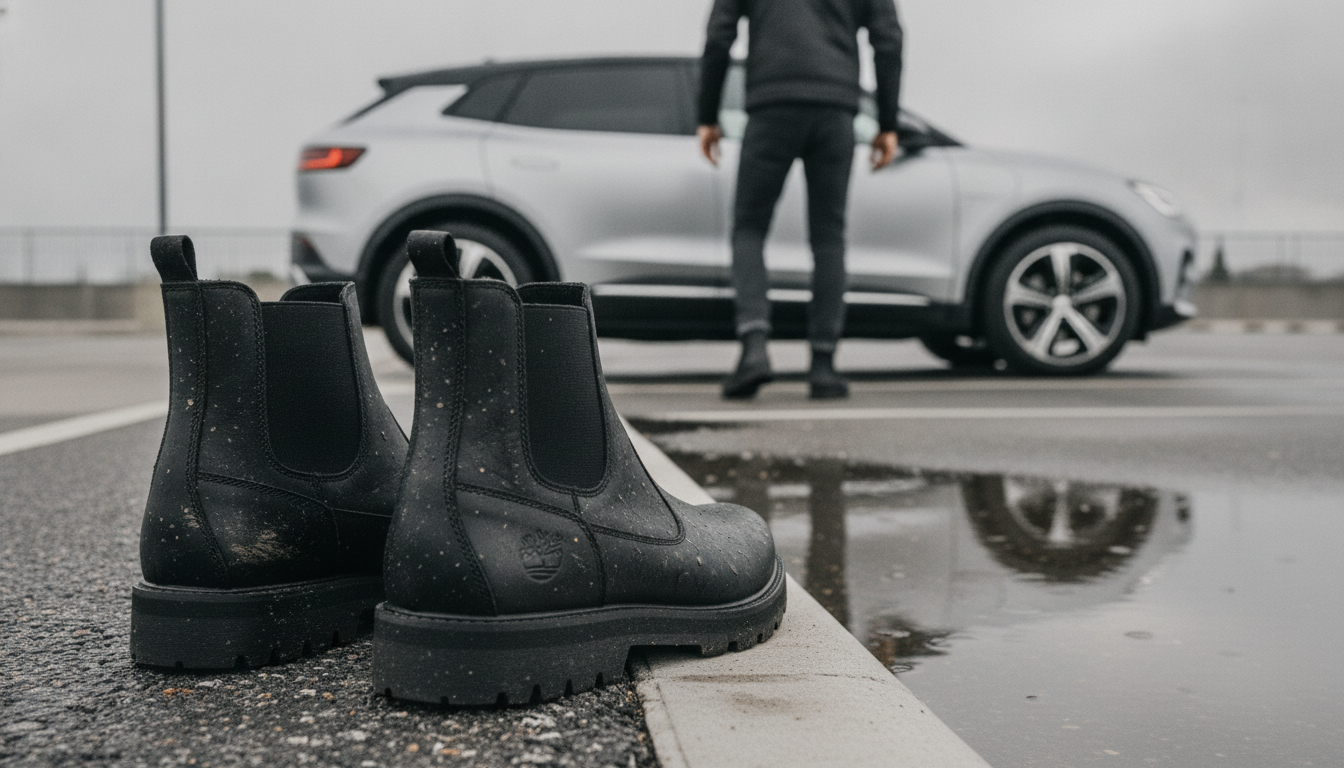
Are Timberland men’s leather boots waterproof or water-resistant?
It depends on the specific Timberland men’s leather boot you’re looking at. Some styles are truly waterproof (built with sealed seams and a waterproof membrane), while others are only water-resistant (the leather may repel light moisture, but water can still seep in during longer exposure or deeper puddles). The quickest way to know is to check the product labeling and features list for terms like “Waterproof,” “seam-sealed,” and “waterproof membrane.”
What “waterproof” means on Timberland boots
When Timberland labels a men’s leather boot as waterproof, it’s typically designed for wet-weather wear beyond a quick dash through drizzle. Waterproof models commonly include seam-sealed construction and an internal barrier that helps block water from entering through stitching and panels. These are the better choice for rainy commutes, slushy sidewalks, or hiking on saturated trails—especially if you’ll be out for hours.
What “water-resistant” means (and its limits)
Water-resistant leather boots can handle splashes and light rain, especially when the leather is treated and maintained, but they’re not meant for standing water. Over time, leather can dry out or lose its protective finish; once that happens, moisture penetrates more quickly through the leather and seams. If the boot isn’t seam-sealed, water often finds the stitching first.
How to tell which one you have
Look for “Waterproof” on the tongue tag, box, or official product description. Also scan for details such as “seam-sealed,” “waterproof membrane,” or “gusseted tongue” (which helps reduce water entry at the laces). If those details aren’t listed, assume the boot is water-resistant at best and treat it accordingly.
For more practical details on performance, traction, and maintenance, see the full guide here: Timberland men’s leather boots fit, traction, and care guide.
FAQ
How do you maintain leather boots so they repel water better?
Clean off dirt, let the boots dry naturally, then condition the leather and apply a compatible water-repellent treatment. Reapply periodically, especially after heavy wear or exposure to rain and road salt.






Leave a comment