Timberland Men’s Leather Boots: Fit, Traction & Care

Timberland Men’s Leather Boots: Everyday Durability with Classic Style
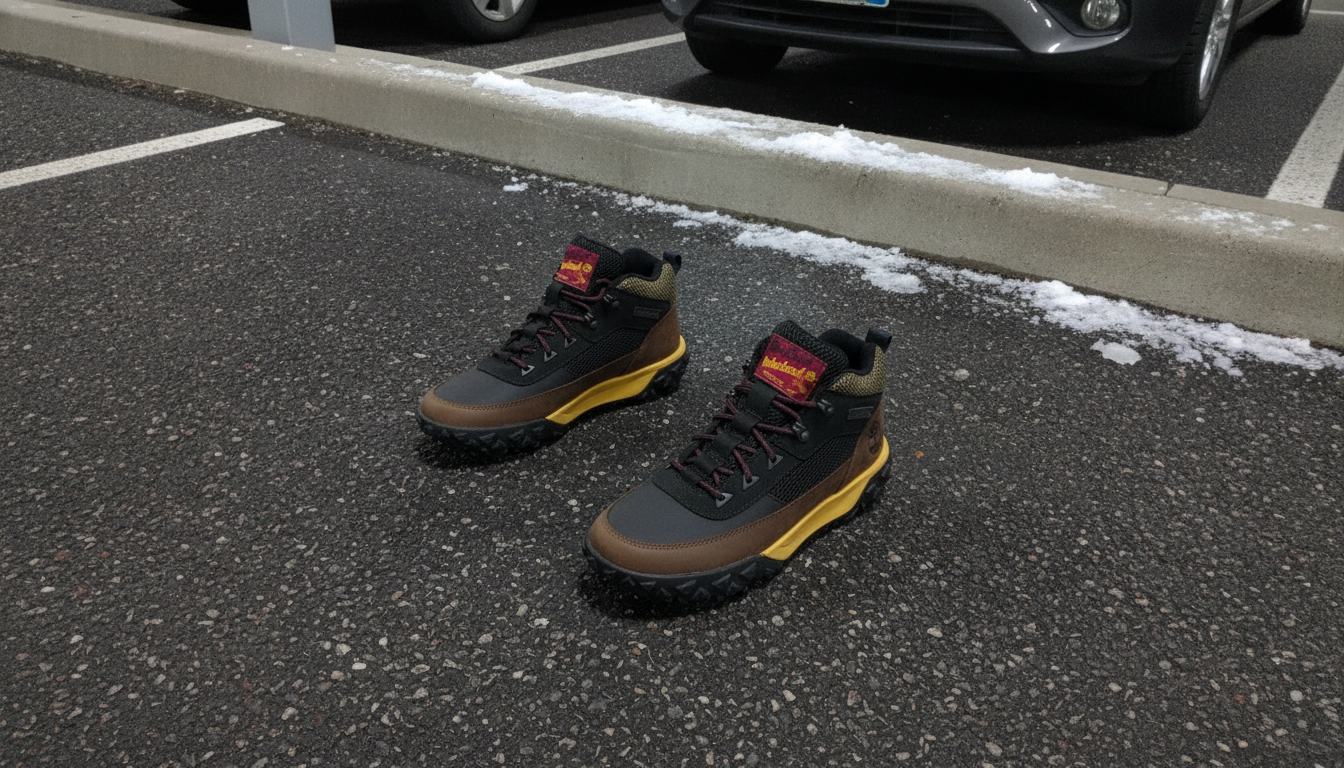
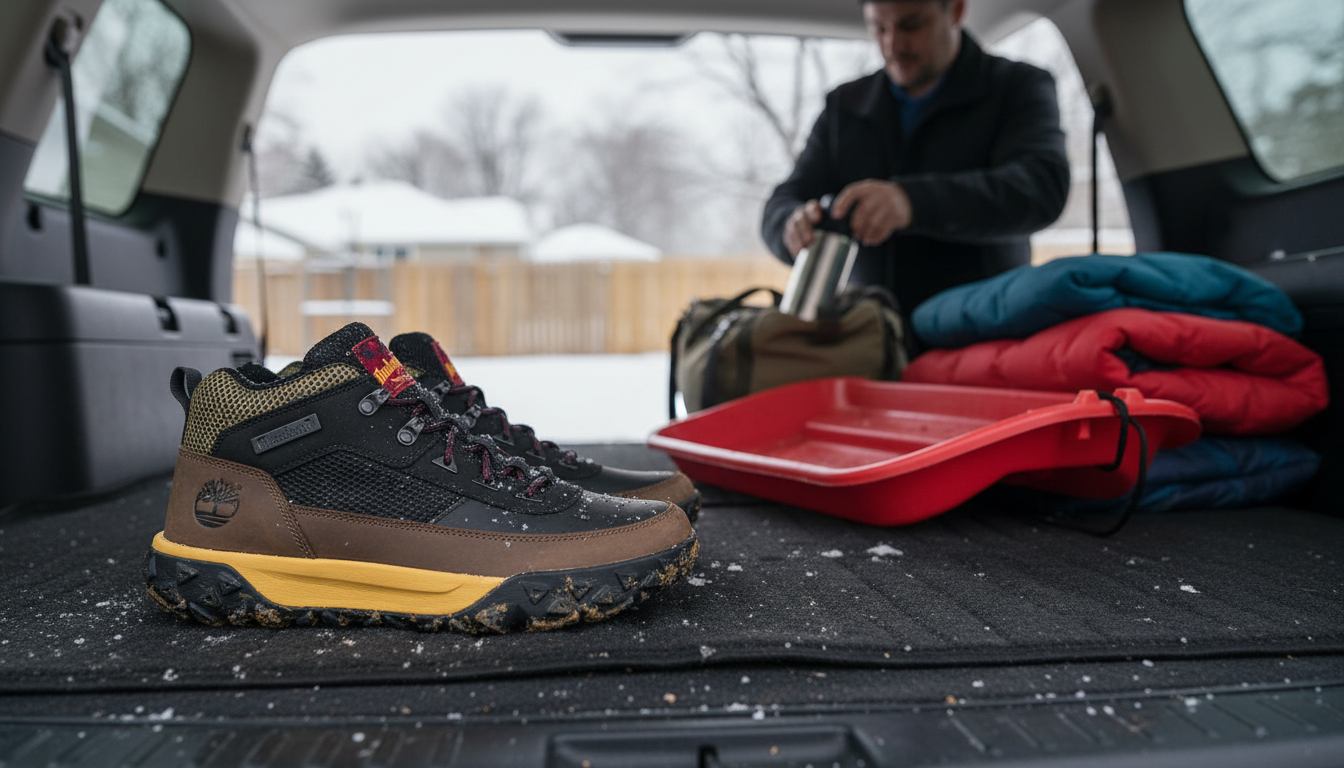
Leather boots earn their keep when they handle long days, changing weather, and repeated wear without losing comfort or character. Timberland men’s leather boots are known for rugged construction, supportive fit, and a look that works from workwear to weekend outfits. Below is a practical breakdown of what matters—materials, traction, comfort, care, and sizing—plus a quick spec table and answers to common buying questions.
What Makes These Boots a Go-To Pair
- Leather build made for repetition: A quality leather upper takes scuffs better than most textiles and tends to look better as it breaks in.
- Easy-to-style shape: The classic boot silhouette pairs naturally with jeans, chinos, and utility pants—clean enough for casual dinners, rugged enough for errands.
- Support for real days: A structured boot can feel steadier than a sneaker when you’re commuting, standing at work, or walking across uneven sidewalks.
- Season-ready versatility: Leather boots are a solid choice for cooler months and the in-between weather where puddles, wind, and damp pavement show up.
Materials and Build Quality to Look For
Not all leather boots wear the same. Paying attention to a few construction details helps you pick a pair that stays comfortable and intact beyond the first season.
- Full-grain or premium leather uppers: These typically age well, forming a natural patina rather than looking “tired.” Minor marks can often be brushed out or blended with conditioner.
- Clean, consistent stitching: Check high-stress zones such as the toe box edges, quarter panels, and heel area. Even stitching helps prevent early seam separation.
- Collar padding and lining: The top edge around the ankle affects comfort immediately. More padding and a smoother lining can reduce rubbing during the first few wears.
- Stable heel counter: A firm heel structure improves support and helps the boot hold its shape, especially if you wear them frequently.
- Neat outsole-to-upper bonding: Look for clean alignment, no visible gaps, and tidy finishing. Sloppy seams and uneven bonding can hint at faster breakdown over time.
Comfort, Support, and Break-In Expectations
Leather boots often start out structured and relax into your foot over time. The goal is a fit that’s secure without pinching—so the break-in works with you, not against you.
- Insole and midsole support: Cushioning and stability underfoot can reduce fatigue during long wear—especially on hard floors and pavement.
- Start with heel security: Break-in tends to go best when the heel feels snug (not painful) while the toe box still has room to move.
- Expect stiffness early on: Thicker leather may feel rigid at first. Short sessions—an hour or two—help the upper soften evenly without creating pressure spots.
- Sock choice matters: Medium-to-thick boot socks can improve fit and reduce friction, which lowers the chance of blisters.
- When heel slip won’t quit: If noticeable heel lift persists after several wears, try a different size/width or add a thin heel grip rather than “hoping it stops.”
Traction and Outsole Performance
Outsole design determines how confident the boot feels when the weather turns or when you step off the sidewalk.
- Deeper lugs, stronger bite: More pronounced tread generally grips better on wet pavement and light trails.
- Wider lug spacing: This can shed mud and grit more effectively, helping traction stay consistent.
- Rubber compound trade-offs: A slightly softer rubber can improve grip but may wear faster if you log lots of miles on rough asphalt.
- Look for a stable platform: A broader, more supportive base helps on uneven ground and during long walks.
At-a-Glance Details
Use the table to quickly confirm basics like price, availability, and where to buy. For fit decisions, compare the brand’s sizing guidance with your typical sneaker size and the sock thickness you plan to wear most often.
Product snapshot
| Item | Price | Availability | Link |
|---|---|---|---|
| Timberland Men’s Leather Boots | 105.51 USD | In stock | Timberland Men’s Leather Boots |
Sizing and Fit Tips (So the First Wear Feels Right)
Care and Maintenance for Long-Lasting Leather
For deeper care basics and best practices, see Leather Honey’s leather care tips and Red Wing’s guide on conditioning and protection for leather footwear.
When These Boots Make the Most Sense
More In-Stock Footwear Options
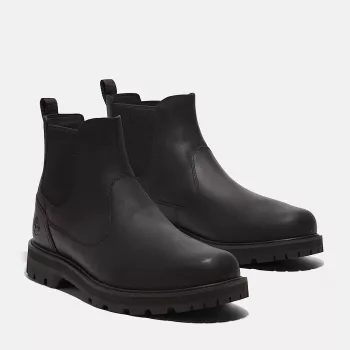
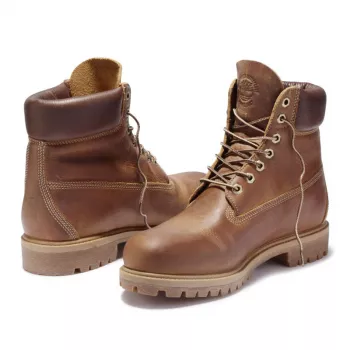
- Timberland Men’s Leather Boots for everyday durability and classic leather boot styling.
- Calvin Klein Men’s Black Leather Sneakers for a cleaner, low-profile look that pairs well with jeans and smart-casual outfits.
- Guess Women’s Black Ankle Boots as a sleek ankle-boot option with a more fashion-forward silhouette.
FAQ
Do leather boots stretch over time?
Leather can loosen slightly in width as it breaks in, but length won’t increase. A snug heel with comfortable toe room is the safest starting fit.
How can leather boots be waterproofed?
Start with clean, dry leather. Apply a leather-appropriate waterproofing product (wax or spray depending on the finish), let it cure fully, and reapply periodically—especially after heavy rain or cleaning.
How long does break-in usually take?
Break-in often takes a few wears to a couple of weeks depending on leather thickness and how frequently they’re worn. Short sessions with the right socks help reduce hotspots while the leather softens.






Leave a comment