New Balance 750 Lifespan: How Long They Last
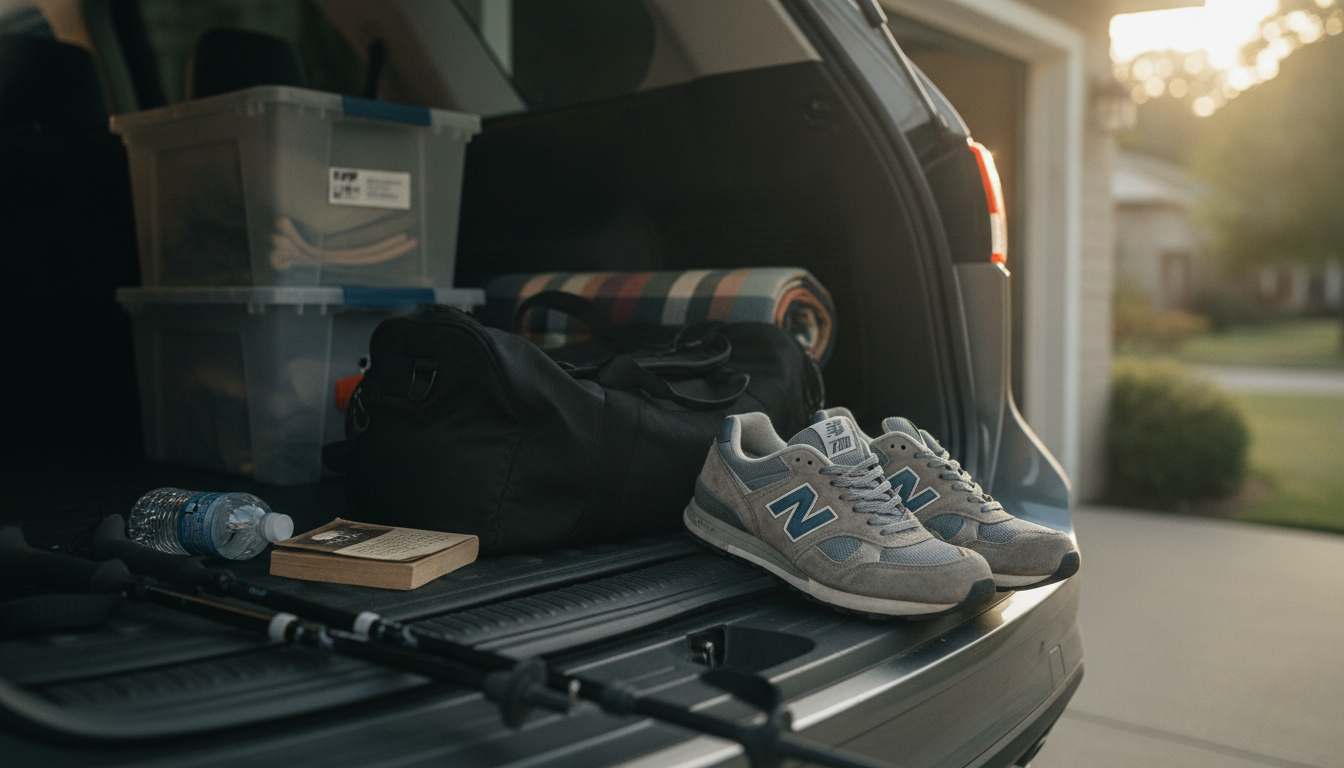
What is the typical lifespan of New Balance 750 shoes?
The typical lifespan of New Balance 750 shoes is about 6 to 18 months of regular wear, but it can be shorter or longer depending on how often they’re worn, what surfaces they’re used on, and how well they’re cared for. For someone wearing them a few times a week for casual walking, many pairs stay comfortable and presentable for roughly a year. Heavy daily wear, long standing hours, or frequent outdoor use can push that timeline closer to the lower end.
What “lifespan” usually means for a sneaker
Most shoes don’t fail all at once—different parts wear out at different speeds. With a pair like the New Balance 750, the upper may still look fine even as the midsole cushioning loses responsiveness. Many people replace sneakers not because they’re torn, but because they no longer feel supportive or comfortable.
Signs your New Balance 750s are nearing the end
Watch for flattened cushioning (your feet feel more impact), a noticeable tilt or uneven feel when you stand, and outsole wear that’s smooth in one spot (often the heel). Separation where the outsole meets the upper, persistent squeaks, or new aches in knees/hips after wearing them can also signal it’s time to rotate in a fresh pair.
What affects how long they last
Frequency is the biggest factor: a shoe worn daily gets less time to fully dry and rebound. Terrain matters, too—rough pavement and gravel grind down the outsole faster than indoor floors. Fit plays a role: shoes that are too tight can stress seams, while loose shoes can increase heel rub and premature wear. Finally, storage and care matter; keeping them dry, brushing off dirt, and avoiding high heat helps materials hold up longer.
How to extend the lifespan
Rotate with another pair to give the midsole time to recover between wears. Spot-clean as needed and let them air-dry at room temperature. If the upper is in good shape but the insole feels packed down, swapping in a new insole can restore comfort for a while.
For more on fit, comfort, and care routines that help sneakers stay wearable longer, visit this New Balance fit and care guide.
FAQ
How do you know when it’s time to replace running shoes?
Replace them when cushioning feels flat, support feels unstable, or outsole wear is pronounced—especially if you notice new aches during or after activity. Many runners also track mileage and swap shoes around 300–500 miles, depending on body weight, surfaces, and shoe model.






Leave a comment