Timberland Brown Men’s Sneakers: Rubber Sole Grip
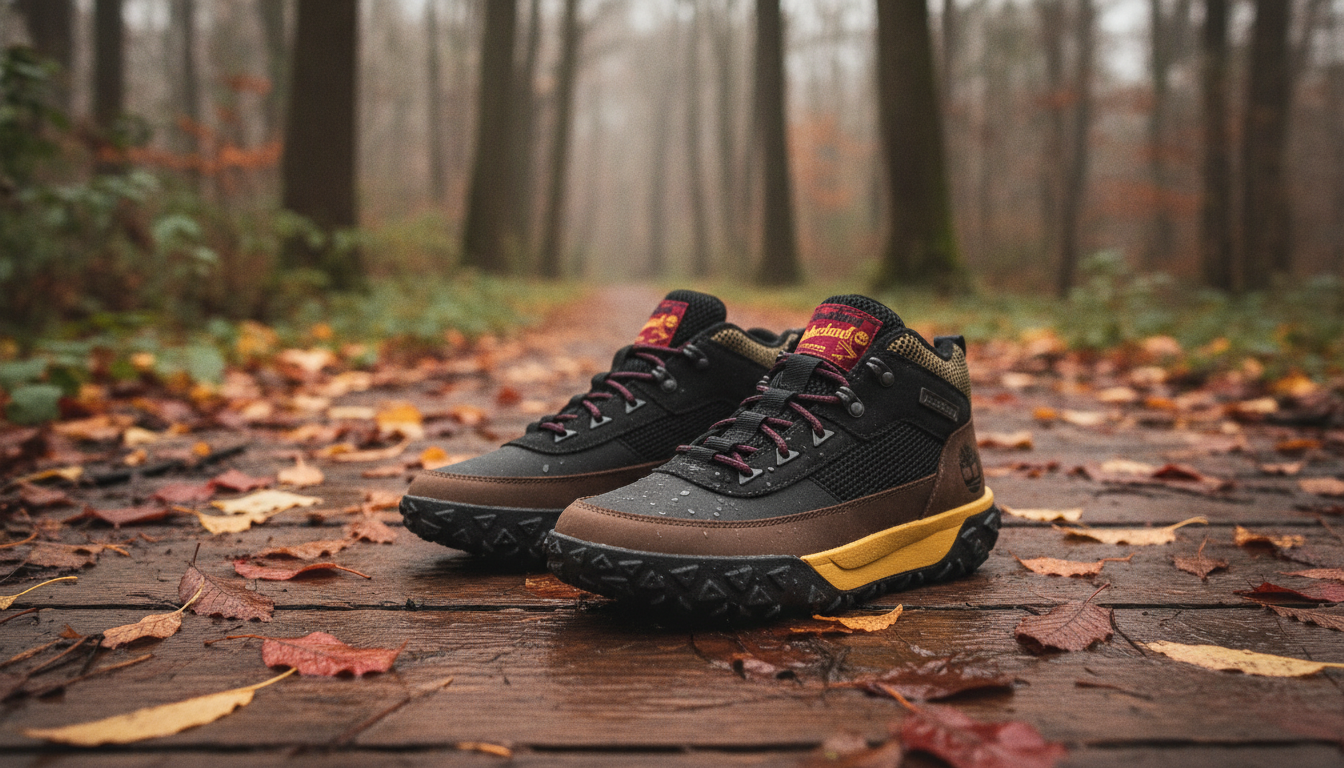
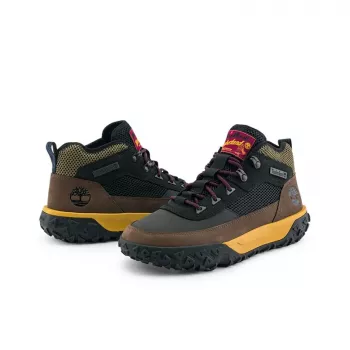
Timberland Men’s Brown Fall/Winter Sneakers with Rubber Sole
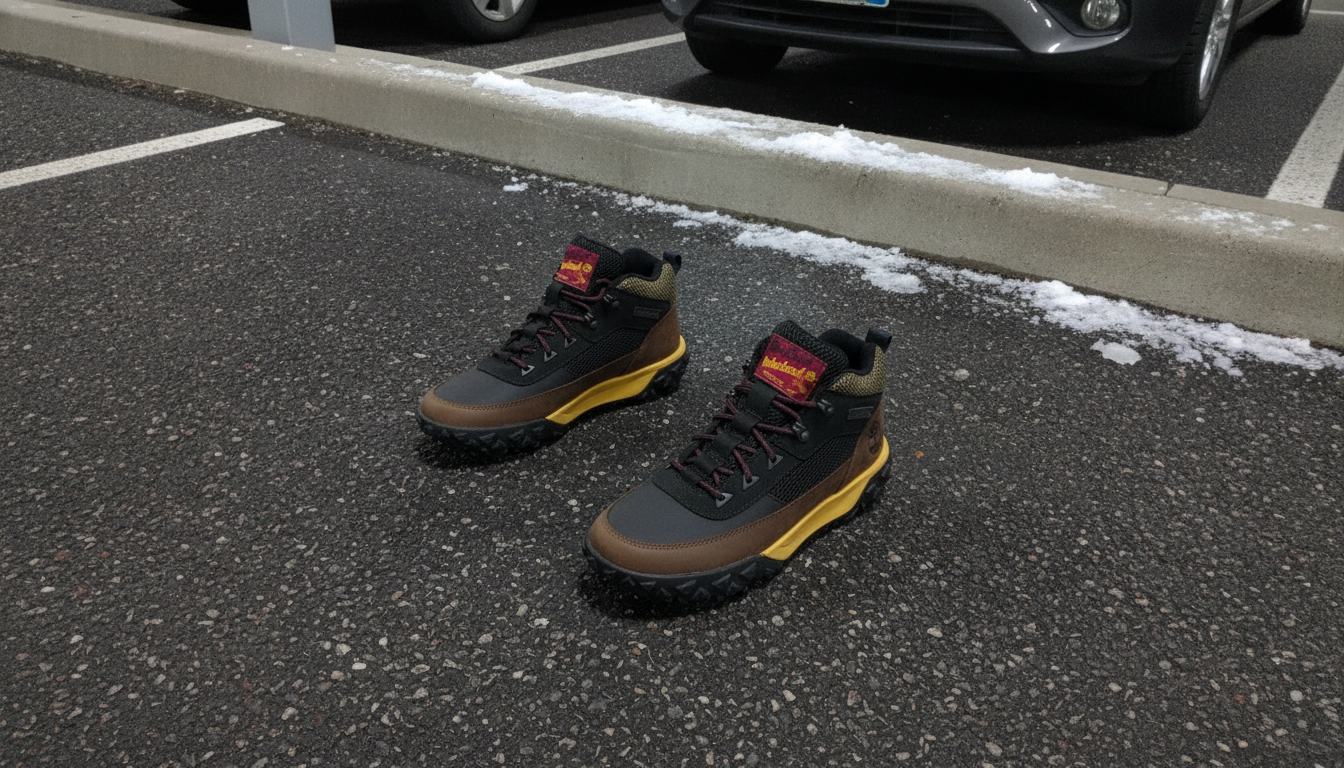
Built for cooler days and unpredictable sidewalks, these Timberland men’s sneakers pair a versatile brown upper with a grippy rubber sole for steady footing in fall and winter routines. The look stays casual enough for everyday wear while offering the traction and durability that matter when streets turn damp and temperatures drop.
What Makes Them a Strong Cold-Season Everyday Sneaker
If your typical day includes a mix of outdoor blocks, public transit platforms, office floors, and quick stops that don’t justify a full boot, a rugged-casual sneaker is a smart middle ground. The Timberland Men’s Brown Fall/Winter Sneakers with Rubber Sole lean into that do-it-all lane with practical grip and a season-friendly palette.
- Rubber outsole traction: Rubber helps maintain grip on wet pavement and typical winter mess (light slush, damp leaves) while staying flexible for daily walking.
- Brown that matches cold-weather staples: The color pairs easily with denim, dark chinos, wool trousers, and layered outerwear without looking overly sporty.
- Sneaker convenience: Easier on/off and lighter than many boots—useful for commutes, long indoor stretches, and days that bounce between errands and meetings.
- Rugged-casual Timberland vibe: Outdoorsy enough for weekends, clean enough for city wear—without committing to a hiking boot silhouette.
Quick Specs and Shopping Snapshot
For a fast check before you add to cart, here’s the core info to keep in mind. If you’re between sizes—or you plan to wear thicker socks—aim for a fit that avoids toe pressure while keeping the heel secure to reduce rubbing.
| Detail | Value |
|---|---|
| Brand/Style | Timberland men’s sneakers (brown) |
| Season | Fall/Winter |
| Outsole | Rubber sole |
| Price | $83.51 USD |
| Stock status | In stock |
| Product page | View Timberland sneakers |
Rubber Sole Benefits for Fall and Winter
When conditions shift from crisp to damp, the outsole matters as much as the upper. Rubber soles are a go-to choice for everyday cold-season wear because they balance traction, comfort, and long-term durability.
- Grip where it counts: Rubber compounds and tread patterns typically bite better on wet concrete and slick tile than many smoother, harder soles.
- Comfort underfoot: Rubber can absorb minor impact, which helps reduce fatigue during longer walks, standing commutes, or busy travel days.
- Cold-day practicality: Compared with very stiff soles, rubber tends to stay more forgiving as temperatures drop, supporting a more natural stride.
- Durability for city wear: For daily pavement miles, rubber outsoles are commonly chosen for abrasion resistance and extended wear.
For general cold-weather safety reminders—especially if you’re commuting on foot—review the CDC’s guidance on staying safe in cold conditions: https://www.cdc.gov/niosh/topics/coldstress/.
How to Style Brown Sneakers in Cooler Weather
Brown sneakers can look intentional in fall and winter because they echo seasonal textures—denim, wool, waxed cotton, and quilted layers—without clashing with darker outerwear.
- Weekend casual: Dark jeans + a thermal henley + a quilted jacket. Brown sneakers keep the outfit grounded and weather-appropriate.
- Smart-casual commute: Tapered chinos + a crewneck knit + a topcoat. Brown footwear complements earth tones and most neutral outerwear.
- Rainy-day practicality: Choose darker denim and a water-resistant shell. Pair with moisture-managing socks (wool blends are a solid pick).
- Color pairing guide: Brown plays well with olive, navy, charcoal, cream, and classic denim. If you wear brown-on-brown, make sure the shades clearly differ so the look stays layered—not matched.
Fit and Comfort Checks Before the First Wear
A supportive, irritation-free fit matters more in colder months because thicker socks, longer pants hems, and longer walking routes can magnify small pressure points. These quick checks help you dial in comfort early.
- Heel security: The heel should feel held without rubbing. Too much lift can lead to blisters on longer walks.
- Toe room: Leave about a thumb’s width in front of the longest toe—especially if you’ll rotate in thicker winter socks.
- Midfoot feel: Laces should snug the midfoot comfortably without pinching. If you notice hotspots, adjust tension or try a different lacing pattern.
- Break-in approach: Start with short indoor wear to identify rubbing points, then swap socks or adjust lacing before committing to all-day use.
For additional fit guidance and everyday foot health tips, the American Podiatric Medical Association has a helpful overview: https://www.apma.org/Patients/FootHealth.cfm?ItemNumber=982.
Care Tips for Wet Streets and Daily Wear
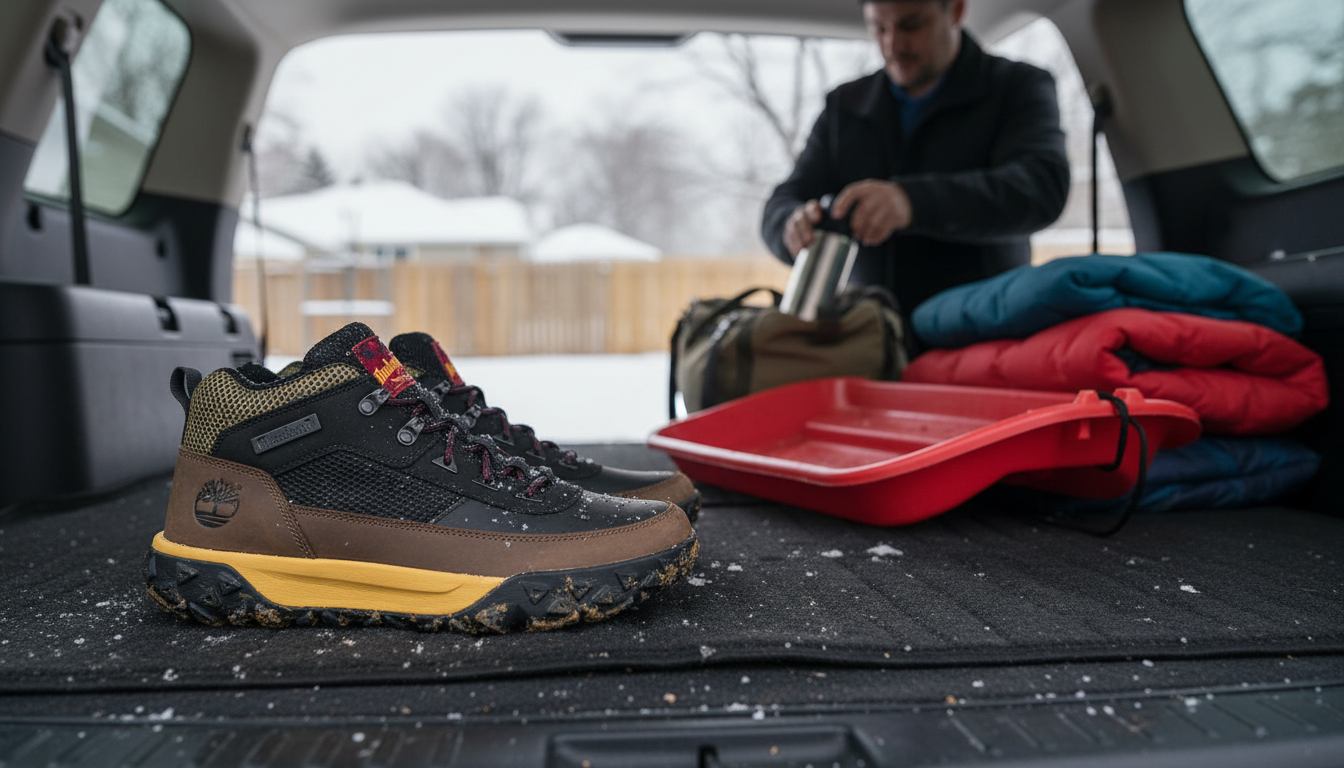
Fall and winter wear can be tough on sneakers: moisture, grit, and sidewalk salt all add up. A simple routine keeps them looking better and helps the outsole stay effective.
Alternatives to Compare (Same Store, Different Look)
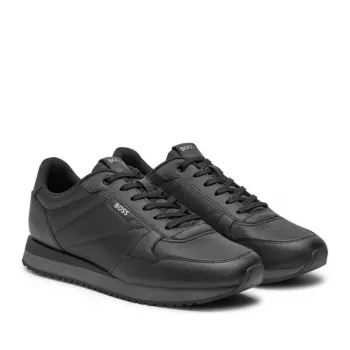
- Sleek black option: Calvin Klein Men’s Black Leather Sneakers can lean sharper with darker outfits and indoor-heavy days.
- Higher collar boot silhouette: Guess Women’s Black Ankle Boots are useful when you prefer a more traditional ankle-boot profile.
FAQ
Are rubber soles good for winter sidewalks?
Rubber soles often provide better traction on wet pavement than many smooth, harder soles, especially when the tread has clear patterning. They still have limits on ice, so tread depth and keeping grooves clean can make a noticeable difference.
Can these sneakers be worn in light rain or slush?
They can handle everyday damp conditions with basic care, but prolonged soaking isn’t ideal. If they get wet, air-dry them away from direct heat and keep them clean to reduce salt and grime buildup.
What socks work best with fall/winter sneakers?
Wool-blend or moisture-wicking crew socks are a strong choice for warmth and comfort in cooler weather. If you switch to thicker socks, make sure the fit still allows toe room without creating heel slip.






Leave a comment