Dr. Martens Men’s Black Leather Boots: Fit & Care
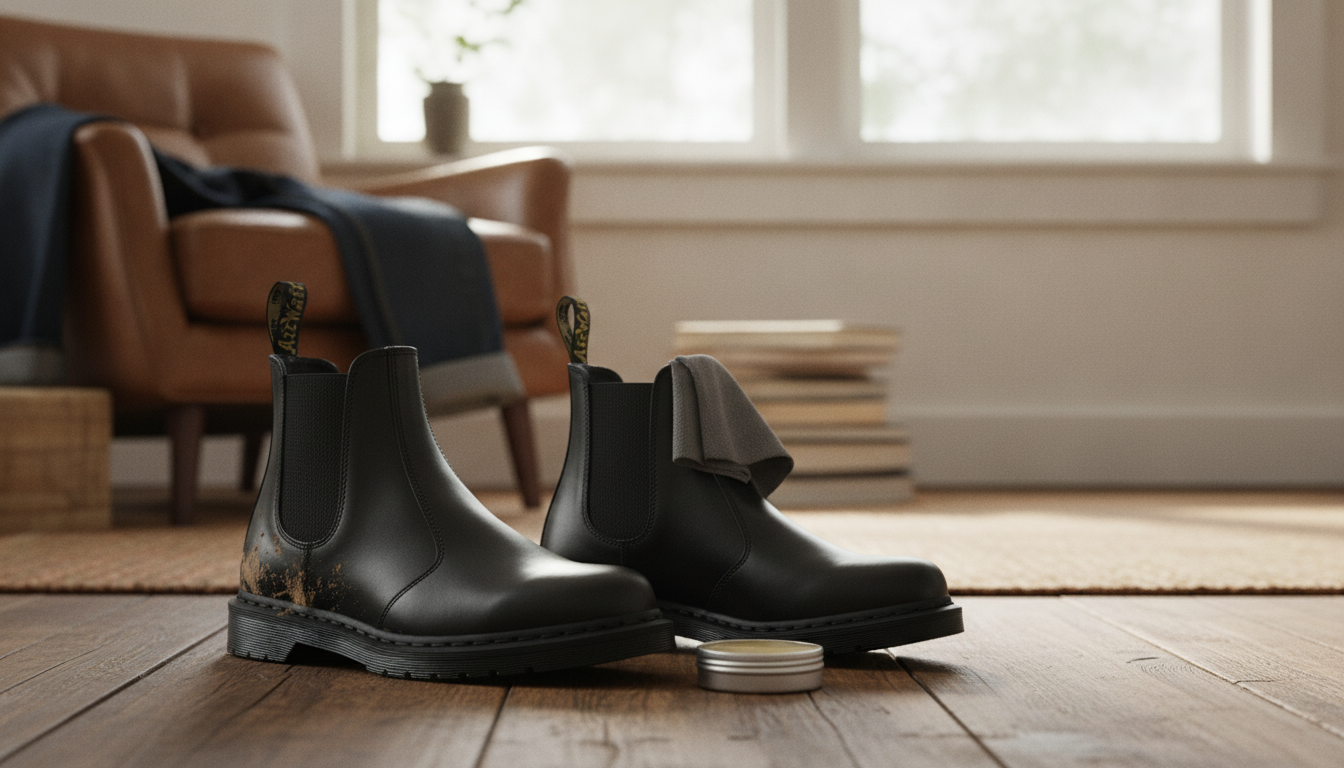
Dr. Martens Men’s Black Leather Boots: Fit, Break-In, Care, and Everyday Wear
A solid pair of leather boots should feel supportive, handle daily miles, and keep looking better over time. Dr. Martens men’s leather boots are known for their distinctive build and long-wearing attitude, but getting the best experience comes down to picking the right size, breaking them in thoughtfully, and maintaining the leather and sole. This guide covers what to look for, how they tend to wear, and how to keep them comfortable and sharp season after season.
What Makes These Leather Boots Stand Out
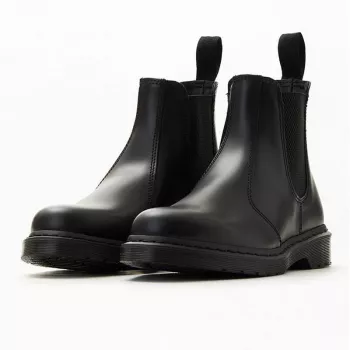
- All-leather upper with a structured feel: smooth leather tends to start firm, then relaxes and moves with you after a gradual break-in.
- Easy-to-style silhouette: the classic boot profile pairs naturally with denim, chinos, and workwear-inspired layers.
- Built for frequent wear: the overall construction is designed to hold up through regular walking, commuting, and weekend use.
- Versatile black leather finish: black cleans up quickly and transitions from daytime errands to nights out without looking out of place.
Quick Specs and At-a-Glance Details
If you want one pair that can handle city walking, travel days, and casual office outfits, black leather boots are one of the simplest choices to keep in rotation.
| Detail | What to Know |
|---|---|
| Product | Dr. Martens Men’s Black Leather Boots |
| Price | 142.51 USD |
| Availability | In stock |
| Material | Leather upper (black) |
| Primary use | Everyday boot with classic styling |
- Best for: everyday wear, travel, city walking, casual office, concerts, and weekends
- Typical feel: firm at first, more flexible after consistent wear
- Color: black leather for maximum outfit compatibility
- Stock note: currently available for immediate purchase
Fit and Sizing: Getting Comfort Right from Day One
- Lock in the heel: aim for a secure heel with minimal lift. A little early movement can happen, but it shouldn’t feel like your heel is popping up with every step.
- Protect toe space: toes should wiggle freely. Leather can give a bit in width and around the instep, but it won’t meaningfully “grow” in length.
- Account for socks: if you’re between sizes, decide based on how you’ll wear them most—thin socks for mild weather and indoor use, thicker socks for cold months.
- Use insoles to fine-tune volume: if the boot feels slightly roomy over the top of the foot, an insole can improve hold and reduce rubbing while adding cushioning.
- Expect an adjustment period: the footbed and upper soften as they flex with your stride, improving comfort over time.
For general footwear fit and foot health guidance, the American Podiatric Medical Association is a helpful reference for what “good fit” should feel like.
Break-In Without the Blisters
The goal is to let the leather relax without creating hot spots that turn into painful rub. A slower start often feels faster in the long run.
- Start indoors: wear them at home for 20–40 minutes to identify pressure points before committing to a full day out.
- Go thicker early: thicker socks can reduce friction for the first few sessions. If you know your heels are sensitive, blister-prevention tape can help.
- Adjust lacing deliberately: if the top of your foot feels compressed, loosen the laces slightly at the forefoot while keeping the ankle secure.
- Alternate days the first week: giving the boots a rest helps the leather recover and reduces the chances of repeat rubbing in the same spot.
- Condition lightly when appropriate: a small amount of leather conditioner can support flexibility, but over-conditioning may soften structure too much and attract dirt.
For brand-specific care tips and product suggestions, Dr. Martens maintains a straightforward reference at Dr. Martens — Shoe Care Guide.
Leather Care and Weather Protection
If responsible sourcing is part of your decision process, the Leather Working Group provides background on leather industry standards and auditing.
Styling Ideas: Making Black Leather Boots Work Year-Round
Durability, Soles, and Long-Term Value
Buying Options and Comparable Picks In Stock
| Option | Type | Price (USD) |
|---|---|---|
| Dr. Martens Men’s Black Leather Boots | Leather boots | 142.51 |
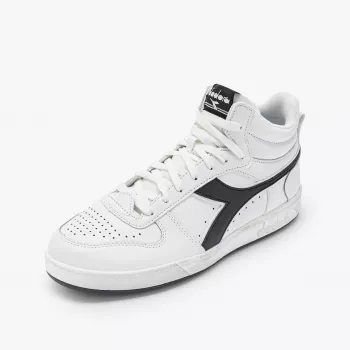
| Calvin Klein Men’s Black Leather Sneakers | Leather sneakers | 56.91 |
FAQ
How long does it take for men’s leather boots to break in?
Most pairs take several wears to about two weeks to feel noticeably easier, depending on leather thickness, how often you wear them, and your sock choice. Start with short indoor sessions, use thicker socks early on, and increase wear time gradually to reduce friction and hotspots.
Should leather boots feel tight at first?
They should feel snug and supportive, but not painful or numb. Leather may relax in width and around the instep, while length generally won’t change—so toe pressure is a sign the size may be wrong; small fit tweaks often come from lacing adjustments or adding an insole.
What’s the best way to protect black leather boots from rain and salt?
Use a water protectant made for smooth leather before wet seasons, then let boots dry naturally if they get soaked (no direct heat). For salt, wipe residue off with a lightly damp cloth as soon as possible and condition periodically to prevent the leather from drying out and cracking.







Leave a comment