Waterproof Timberlands in Winter: Warmth, Grip, Limits
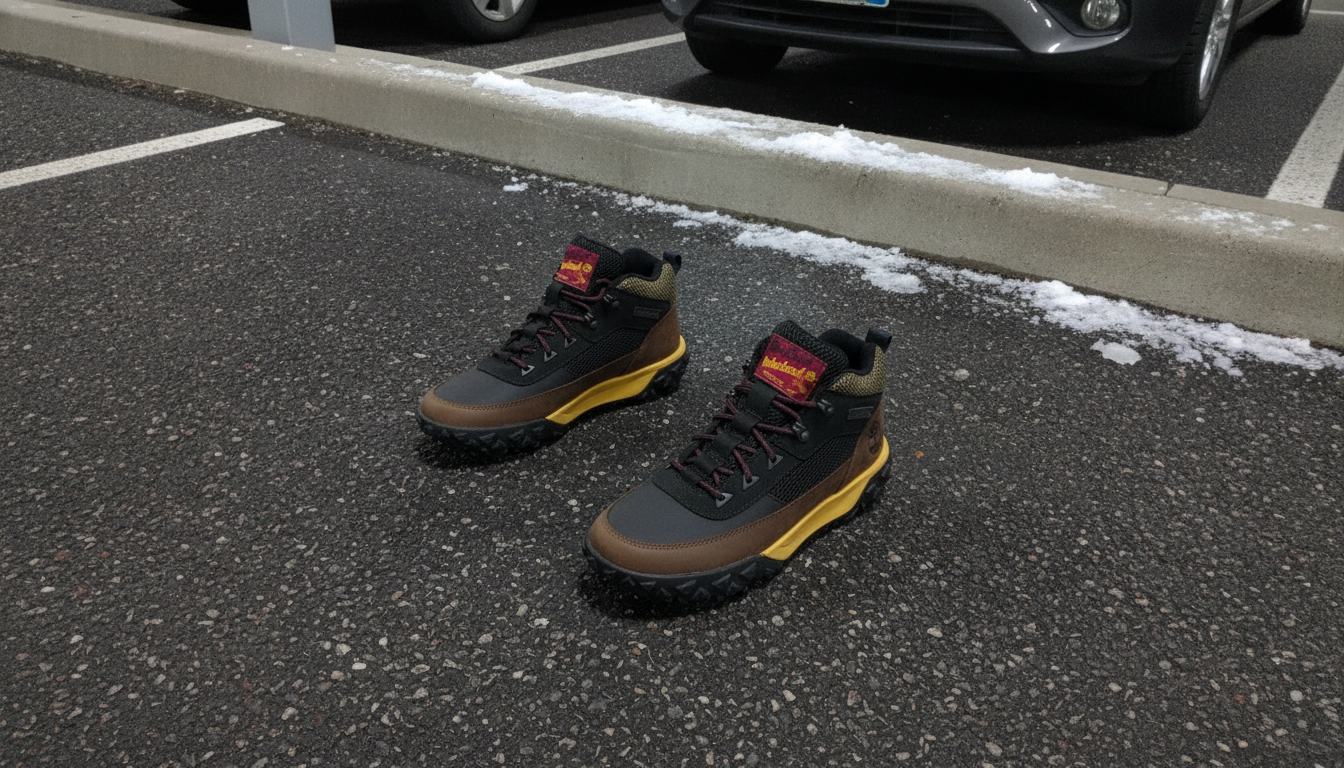
Are waterproof Timberlands good for winter?
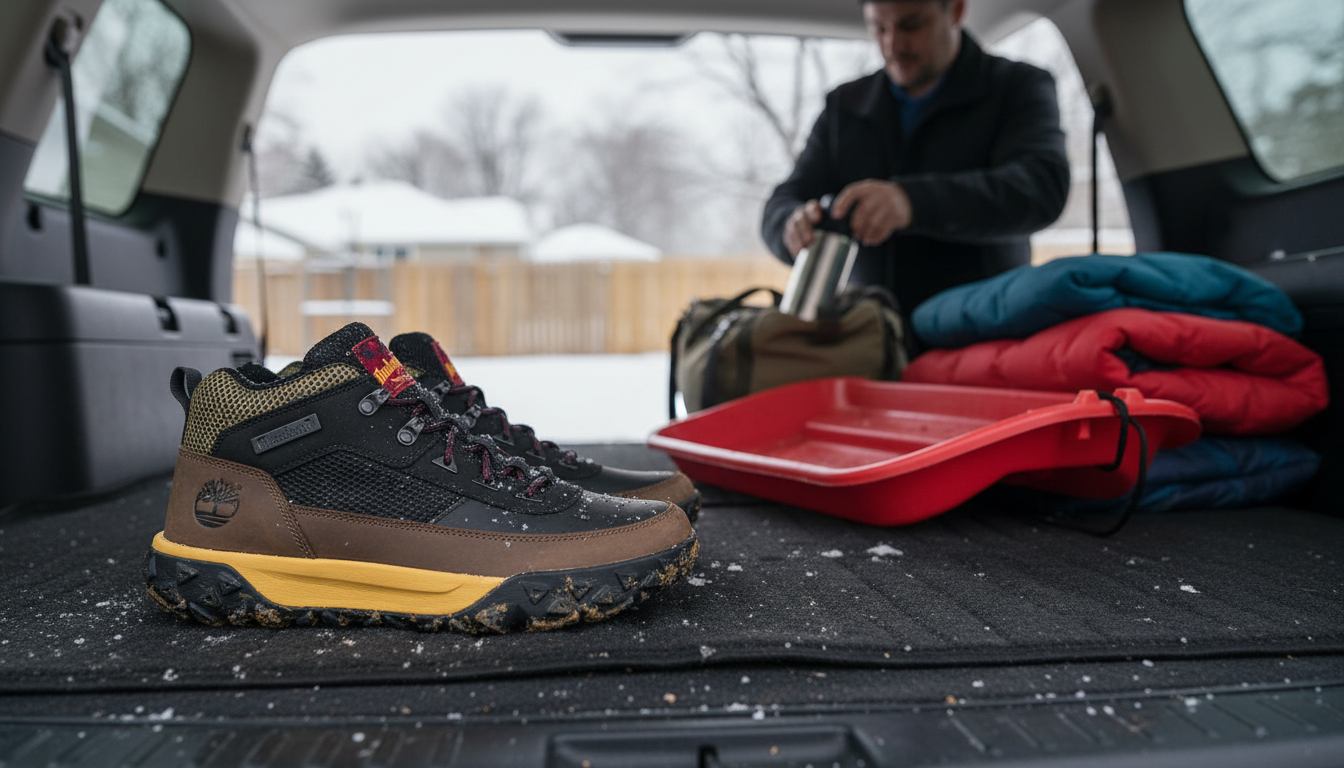
Waterproof Timberlands can be a strong choice for winter, especially for everyday cold-weather wear, slushy sidewalks, and light-to-moderate snow. Their waterproof treatment helps keep feet dry when you’re stepping through wet pavement, melting snow, or puddles, and the rugged build typically holds up well in harsh conditions.
That said, “good for winter” depends on the kind of winter you face and how you plan to use them. In most cities and suburbs, waterproof Timberlands are a practical option when you want reliable traction, durable materials, and weather protection without switching to heavy-duty snow boots.
What they do well in winter
Wet and slushy conditions: Waterproof uppers help block moisture, which is a major comfort factor when temps hover around freezing and everything turns to slush.
Everyday warmth (with the right socks): Many waterproof models provide decent insulation, but even uninsulated pairs can feel warmer with midweight or heavyweight wool socks.
Grip and stability: Lug-style rubber soles are designed to bite into uneven ground. They’re not a guarantee on ice, but they generally outperform flatter sneakers on winter streets.
When they might not be enough
Deep snow: If snow regularly reaches above the boot collar, you’ll want taller, more insulated winter boots to prevent snow from getting in from the top.
Glare ice: No standard rubber outsole is “ice-proof.” For frequent icy conditions, consider adding traction aids or choosing footwear specifically rated for ice grip.
All-day outdoor work: Extended time outside in very low temperatures may require higher insulation and more specialized winter features.
How to get the best winter performance
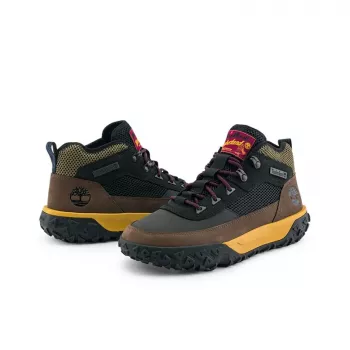
Pair them with wool socks, keep the waterproof finish maintained with appropriate products, and dry them naturally away from direct heat if they get soaked. For more details on fit, materials, and outsole design, see the full guide here: Timberland brown men’s fall/winter sneakers with rubber sole guide.
FAQ
Do Timberlands have good traction on ice?
They usually provide solid grip on snow and wet pavement, but smooth ice can still be slippery. For frequent icy sidewalks, consider adding removable traction cleats or choosing footwear made specifically for ice traction.






Leave a comment