How to Measure Your Foot for Guess Women’s Boots
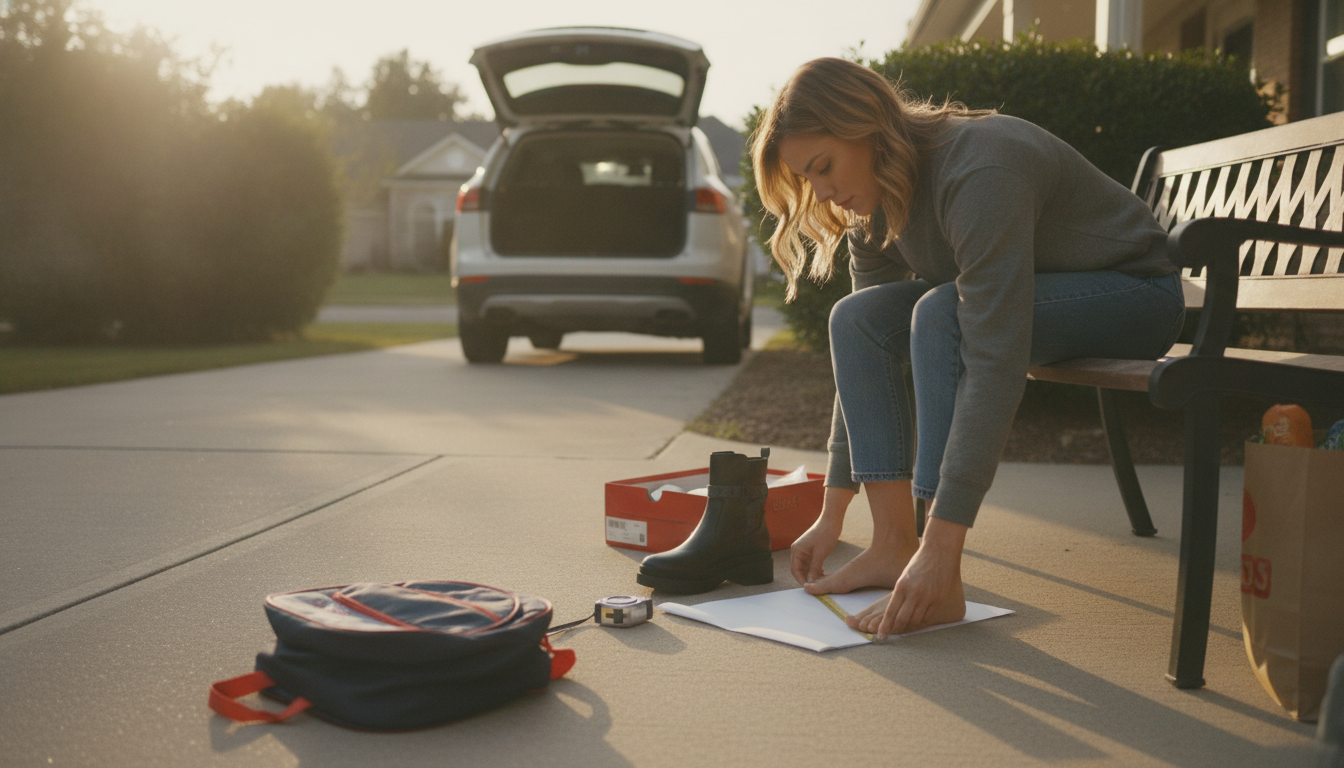
What’s the best way to measure your foot for ordering Guess women’s boots online?
The most reliable way is to measure your foot length in inches (or centimeters) while standing, then compare it to the brand’s size chart—especially if you plan to wear thicker socks or pick a boot with a pointed toe. Foot length is the closest thing to a universal reference, while “I’m usually a 7.5” can vary by style and materials.
Step-by-step: a quick at-home foot measurement
Start at the end of the day when feet are slightly fuller. Place a sheet of paper on a hard floor against a wall. Put on the socks you’d wear with the boots, then stand with your heel lightly touching the wall. Keeping your weight evenly distributed, mark the tip of your longest toe (it may not be your big toe). Measure from the wall edge of the paper to the mark using a ruler or tape measure. Repeat for the other foot and use the longer measurement.
How to use the measurement for the best fit
Once you have your foot length, check the size chart for the specific Guess boot style. If you land between sizes, consider the boot shape and how you’ll wear it: pointed or narrow-toe boots often feel snug, while round-toe styles can be more forgiving. If you plan on thicker socks, or the boot is known to run narrow, sizing up can help—especially for comfort at the ball of the foot.
Don’t forget width and calf fit
Length is only half of the equation. If you have wider feet, look for notes like “runs narrow” and favor roomier toe boxes. For knee-high or taller boots, measure your calf circumference at the widest point while standing, then compare it to any shaft/calf details provided on the product page.
For styling notes and more shopping details, visit the full guide here: https://viralhitsbazaar.shop/guide-guess-womens-black-fall-winter-boots-daily-style/.
FAQ
How do I know if my boots are too small or too big?
Too small often feels like toe pressure, pinching at the ball of the foot, or heel rubbing that doesn’t improve after a short walk. Too big usually shows up as heel lift, sliding forward on inclines, or needing to over-tighten straps/laces to feel secure.






Leave a comment