D.a.t.e White Leather Sneakers for Fall & Winter Wear
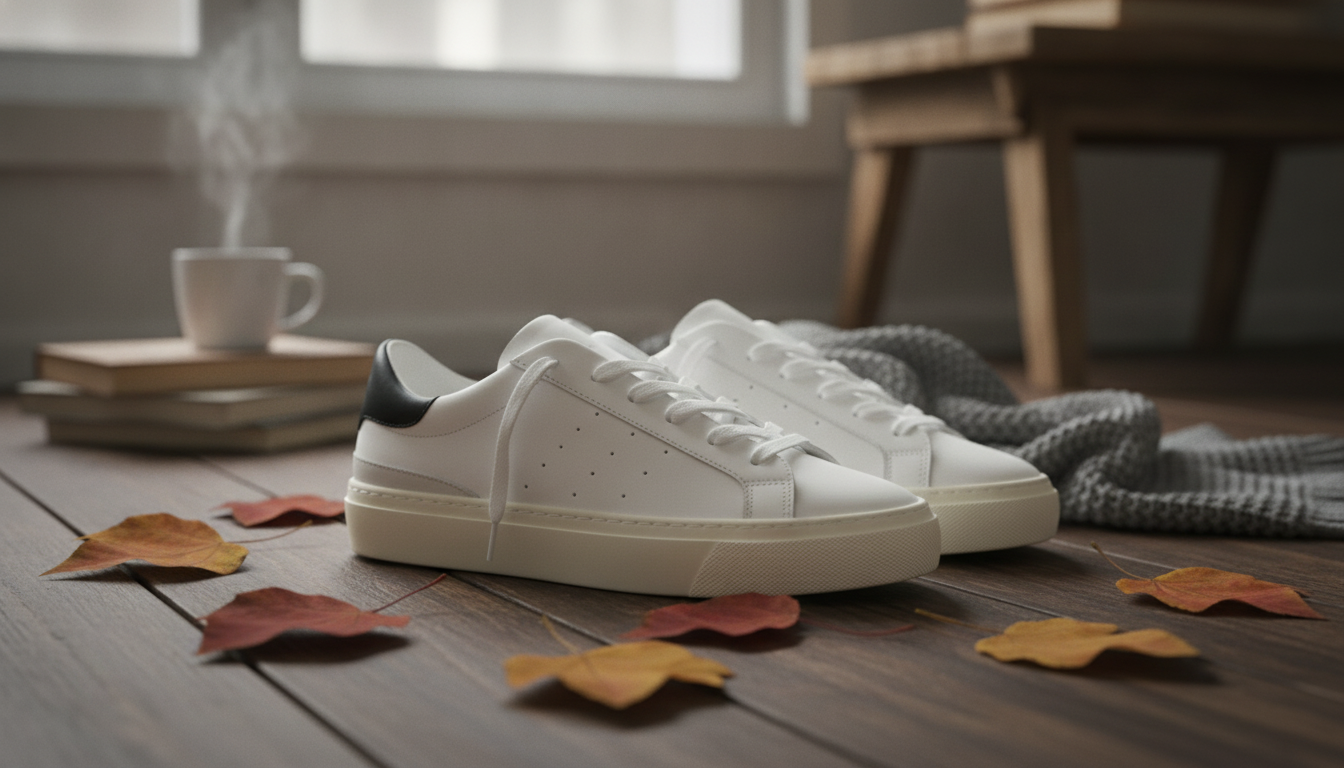
D.a.t.e Men’s Premium White Leather Fall/Winter Shoes: Clean Style, Cold-Season Comfort
A crisp white leather sneaker can still work when temperatures drop—if the materials, lining, and sole are ready for slick sidewalks and daily wear. The right pair keeps outfits sharp through darker months, while smart care and a few fit tweaks help white leather stay bright despite wet streets and salt. Below is what matters most for fall/winter leather shoes, how to wear them in cold weather, and how to keep them looking fresh.
Why White Leather Works in Fall and Winter
White sneakers aren’t limited to warm weather. With a smooth leather upper and a practical outsole, they can be a reliable cold-season staple.
- It brightens seasonal layers without looking loud. White leather adds contrast to dark denim, charcoal wool, and black outerwear while staying minimal and versatile.
- Leather blocks wind better than many light fabrics. Compared with knit or thin canvas, leather tends to hold its shape and resist chilly gusts when you’re walking or commuting.
- They can handle real life with the right prep. A protectant plus quick wipe-downs go a long way when you’re dealing with drizzle, sidewalk grime, and temperature swings.
Product Snapshot: D.a.t.e Men’s Premium White Leather Fall/Winter Shoes
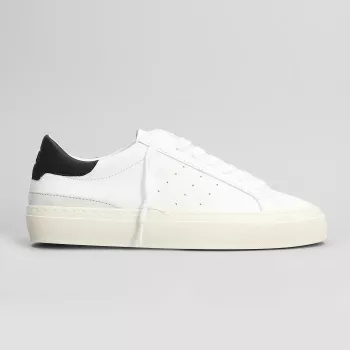
If you want a clean, premium-looking white leather sneaker for the colder months, D.a.t.e Men’s Premium White Leather Fall/Winter Shoes are designed to pair easily with denim, wool trousers, and layered outerwear. The overall profile is everyday-friendly for commuting, casual office settings, and weekend walks—especially when you combine them with season-appropriate socks and a consistent care routine.
At-a-Glance Details
| Item | Details |
|---|---|
| Product | D.a.t.e Men’s Premium White Leather Fall/Winter Shoes |
| Price | 120.51 USD |
| Availability | In stock |
| Color/Material | White leather |
| Product page | View details |
What to Look For in Fall/Winter Leather Shoes
Not all leather sneakers feel the same once sidewalks get slick and the air turns dry. These checkpoints help separate a “looks good” pair from a “wears well” pair.
- Outsole traction: Look for grippy rubber and tread that can bite into wet pavement. Even modest texture helps reduce that first-step slip when leaving a building onto damp concrete.
- Water resistance: Smooth leather typically benefits from a protectant spray or cream. Fewer perforations and tighter construction can also help when you’re caught in light rain.
- Lining and warmth: Warmth often comes down to the sock system you use. If you tend to run cold, consider merino or thicker cotton blends rather than ultrathin no-shows.
- Support and stability: A structured heel counter and a supportive footbed matter more when you’re navigating uneven sidewalks, puddle edges, or slick crosswalk paint.
- Easy maintenance: In slushy months, smooth leather is usually easier to wipe clean than suede, which can stain and absorb moisture more readily.
Cold weather can also increase sweating for some people because heavier socks and less breathable uppers trap heat. For practical tips on reducing moisture and odor, see the American Academy of Dermatology Association guidance on preventing sweaty feet.
Fit, Break-In, and Comfort Tips
A winter-ready fit isn’t just about size on a chart—it’s about how the shoe feels with the socks you’ll actually wear, plus how securely it holds your heel on wet days.
- Fit with winter socks from the start: Try shoes on with the sock thickness you’ll wear most. A slightly roomier fit can prevent pinched toes and cold feet, but you still want stable lockdown.
- Expect a short break-in: Leather typically relaxes after a few wears. Start with shorter walks so creases form naturally rather than being forced at tight stress points.
- Check heel hold carefully: If your heel slips in dry conditions, it may feel worse on wet days. Lace tension should keep the midfoot secure without cutting circulation.
- Rotate pairs when possible: Letting leather rest and dry between wears helps it retain shape and reduces lingering moisture that can lead to odor.
If you spend extended time outside in low temperatures, it’s also worth reviewing basic cold exposure precautions from the CDC’s cold stress resource, especially for long commutes or outdoor workdays.
Styling Ideas for a White Leather Sneaker in Cold Weather
For a darker, low-maintenance option in the same everyday lane, Calvin Klein Men’s Black Leather Sneakers can be a useful rotation pair—especially when you want a sleeker look that hides street grime better than white.
Care Routine for Keeping White Leather Bright
When to Choose a Different Pair
If you’re regularly dealing with wet weather and want a more protective silhouette, Guess Women’s Black Ankle Boots are an example of the type of higher-coverage footwear that can make sense on rain-heavy days (especially when traction and splash protection matter more than sneaker simplicity).
FAQ
Can white leather shoes be worn in rain or light snow?
Yes, with preparation. Apply a leather protector first, avoid deep puddles or slush, and wipe and air-dry them promptly after exposure; recondition if they’ve been soaked or repeatedly wet.
How do salt stains get removed from white leather?
Remove salt as soon as possible by gently wiping residue with a damp cloth. If needed, use a mild diluted water/vinegar solution (test first), then let the leather dry naturally and recondition and re-protect afterward.
How should fall/winter leather shoes fit with thicker socks?
They should feel secure at the heel with comfortable room in the toe box. Always test the fit using the sock thickness you plan to wear most in winter to avoid tightness and cold toes.






Leave a comment